
Easy Crochet Bee Keychain Pattern for Quick Handmade Fashion
Quick fix for dull keyrings, the Free Crochet Bee Keychain Pattern helps you make cute, buzzy accessories in no time.
Brighten up your day with a little crochet buzz by making an adorable bee keychain that’s as fun to create as it is to carry! This delightful project uses simple single crochet stitches worked in the round to form the bee’s plump, charming body. You’ll master the art of increasing stitches evenly to shape the curves and practice smooth color changes to capture the classic black and yellow stripes that make the bee pattern instantly recognizable. Creating the delicate wings involves crocheting small pieces using the same stitches and then sewing everything together for a neat finish.
Free Guidance on Crochet Bee Keychain Pattern for Trendy Bags

What makes this pattern beginner-friendly and rewarding is the use of easy-to-follow techniques like slip stitches to join rounds invisibly and switch colors seamlessly, plus helpful stitch markers to keep your place. Finishing touches like attaching a keyring transform your little bee into a practical accessory that makes a perfect gift or a bright addition to your keys and bags.
Expand Your Crochet Creativity
The best part? The skills you develop with this bee keychain pattern can be taken further to create all kinds of charming crochet projects. You can design other cute animal keychains, mini toys, or even dainty flower and fruit charms. With simple stitches and shaping techniques under your belt, your creativity can truly take flight, turning yarn into a buzzing world of colorful, handmade treasures!

Crochet Bee and Daisy Keychain Pattern
In this pattern, we'll crochet a bee and daisy keychain, a delightfully detailed and whimsical project that's perfect for gifting or selling! This pattern is beginner-friendly and introduces techniques such as magic rings, single crochet stitches, increases, decreases, and seamless color changes.
By the end of this project, you’ll have a charming keychain complete with a vibrant bee, dainty flower, and leaf detail. Let’s get started!
Skill Level & Terminology
- Skill Level: Beginner
- Terminology: US Crochet Terms
This project is ideal for beginners excited to practice color changes and shaping with basic crochet stitches.
Materials & Tools
- Yarn:
- Yellow (Main Color - Body)
- Black (Stripes and Details)
- White (Wings)
- Green (Leaf and Attachments)
- Pink or Blush (Optional for Cheeks)
- Crochet Hook: 3mm hook.
- Wool/Tapestry Needle.
- Stitch Marker: To keep track of rounds.
- Scissors.
- Keyring.
- Blush or Acrylic Markers (optional for cheeks).
- Stuffing: Polyester fiberfill for the bee.
Gauge
Gauge is not critical for this project, but tight stitches are recommended to ensure a structured shape.
Abbreviations List
| Abbreviation | Meaning |
|---|---|
| mr | Magic Ring |
| ch | Chain |
| sc | Single Crochet |
| sl st | Slip Stitch |
| inc | Increase (2 sc in one stitch) |
| dec | Decrease (crochet 2 stitches together) |
Special Stitch Instructions
Magic Ring (mr)
The magic ring creates a tight, seamless starting point for your bee and flower. Create a loop, insert the hook, pull up a loop, and chain 1 to secure before working into the ring.
Finished Size
The completed keychain measures approximately 4–5 inches long, depending on your yarn and crochet tension.
The Pattern Itself
This pattern is broken into clear sections:
- The Bee Body
- The Wings
- The Daisy Flower and Leaf
- Assembly & Keyring Attachment
Part 1: The Bee Body
Yarn Used: Yellow and Black.
Hook Size: 3mm.
Round 1 (Yellow):
- Begin with a magic ring.
- Work 6 sc into the ring. (6 sts)
- Pull the tail tightly to close.
Round 2:
- Work 6 increases (2 sc in each stitch around). (12 sts)

Round 3:
- (1 sc, 1 inc) repeat around. (18 sts)
Round 4:
- (2 sc, 1 inc) repeat around. (24 sts)
Rounds 5–6:
- Work 1 sc in each stitch for both rounds. (24 sts per round)
Rounds 7–8 (Black):
- Change to black on the last pull-through of the previous stitch.
- Work 1 sc in each stitch for two rounds. (24 sts per round)
- Take care to carry the yellow yarn under the stitches to hide it.

Rounds 9–10 (Yellow):
- Switch back to yellow.
- Work 1 sc in each stitch for two rounds. (24 sts per round)
- Cut the black yarn and tuck the ends inside.
Tip: Between Rounds 9–10, add safety eyes between Rounds 3 and 4 and ensure they are evenly spaced.
Round 11 (Black):
- Change to black.
- Work 10 sc, 1 increase for one round while keeping the stitch count even. (24 sts)

Round 12:
- Change back to yellow.
- (2 sc, 1 dec) repeat. (18 sts)
Round 13 (Yellow):
- (1 sc, 1 dec) repeat. (12 sts)
Round 14:
- Work 6 decreases around. (6 sts)
Round 15 (Black):
- Change to black for the last row.
- Work sc in each stitch around. (6 sts)
- Cut a long tail of yarn, then use a tapestry needle to run through all 6 front loops. Pull tightly to close the hole, secure, and hide the thread.
Part 2: The Wings
Yarn Used: White.
Round 1:
- Start with a magic ring.
- Work 6 sc into the ring. (6 sts)
Round 2:
- Work 6 increases (2 sc in each stitch around). (12 sts)
Round 3:
- (1 sc, 1 inc) repeat. (18 sts)
- Fasten off, leaving a long tail for sewing.
- Make two identical wings and sew them to the bee’s body between Rounds 9 and 10.

Why This Step: Adding wings gives the bee its signature look. Take care to align their position for balance!
Part 3: The Daisy Flower and Leaf
Flower (Yellow & White):
- Start with yellow yarn and a magic ring.
- Round 1: Work 6 sc into the ring. (6 sts)
- Round 2: Work 6 increases. (12 sts)
- Round 3: (1 sc, 1 inc) repeat. (18 sts)
- Switch to white yarn to add petals on both sides of your flower. (2 ch, 3 dc in the same stitch, 2 ch, sl st) in the next space. Repeat around.

Fasten off and leave a long strand. Make two sides of the flower and sew them together, stuffing lightly before closing.
Leaf (Green):
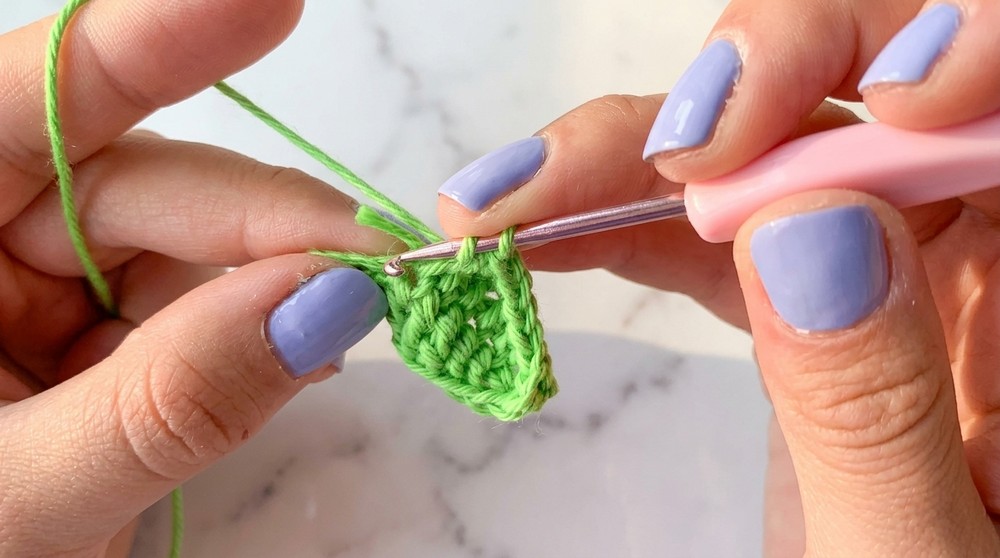
- Ch 11: Work back along the chain as follows:
- 1 sc in the 2nd ch from the hook.
- 1 hdc in the next.
- 2 dc in the next two stitches.
- 1 tr (treble) in the following stitch.
- Reverse the order going down the other side of the chain starting with dc, hdc, and sc.
- Fasten off, leaving a long thread for sewing. Attach the leaf under the flower.
Part 4: Assembly & Keyring Attachment
- Attach the Keyring to the Bee:
- Use yellow yarn and a tapestry needle to sew the keyring to the back of the bee between the wings.
- Attach the Daisy Flower:
- Using green yarn, sew the flower securely below the keyring, leaving a little hanging space.
- Final Details:
- Add blush or acrylic paint for rosy cheeks.
- Ensure all loose threads are hidden for a clean finish.
How to Start & Stitches Used
How to Start: Beginners should begin with the magic ring to crochet the bee, wings, and flower. Follow the stitch sequence for increases and decreases to get the proper shaping.
Stitches Used: This pattern primarily uses single crochet (sc), increases (inc), decreases (dec), and slip stitches (sl st). It also incorporates decorative elements like chains (ch) and double crochets (dc) for shaping.
Conclusion
Congratulations! Your crochet bee and daisy keychain is complete! This delightful project is perfect for gifts, personal accessories, or even to sell at crochet fairs. Customize your keychain with different colors or embellishments for a unique flair.
Possible Difficulties and Solutions
1. Keeping the Stitch Count Consistent
Beginners may find it challenging to maintain the correct stitch count during increases and decreases. Use a stitch marker to mark the first stitch of each round and count stitches after every round to ensure accuracy.
2. Color Changes
Switching between yellow and black cleanly can be tricky. To avoid color jumps, always change colors on the last pull-through of the previous stitch and weave in yarn tails as you go to keep the work tidy.
3. Attaching Parts Symmetrically
Sewing the wings, flower, and keyring in the correct position can be a challenge. Use pins to secure each piece in place before sewing to ensure perfect alignment.
By slowing down and using these techniques, you'll overcome these challenges easily and achieve a polished, professional-looking keychain.