
Artisan Crochet Carnation Flower Pattern That Mimics Natural Blooms
A graceful touch meets decor with this Crochet Carnation flower Pattern, featuring ruffled petals, soft yarn flow, and refined floral beauty.
Bringing an everlasting floral arrangement into your life adds a unique sense of joy and personalization to home decor. Designing this delicate blossom is a rewarding hobby that offers numerous advantages, particularly when following a Crochet Carnation flower pattern. Unlike a natural flower, this handmade piece never wilts, making it a sustainable and cost-effective alternative for a long-term display. It is incredibly versatile, serving as a charming personalized gift, an elegant wedding favor, or a vibrant accent for an accessory like a hat or bag.
Heirloom Crochet Carnation Flower Pattern With Everlasting Beauty
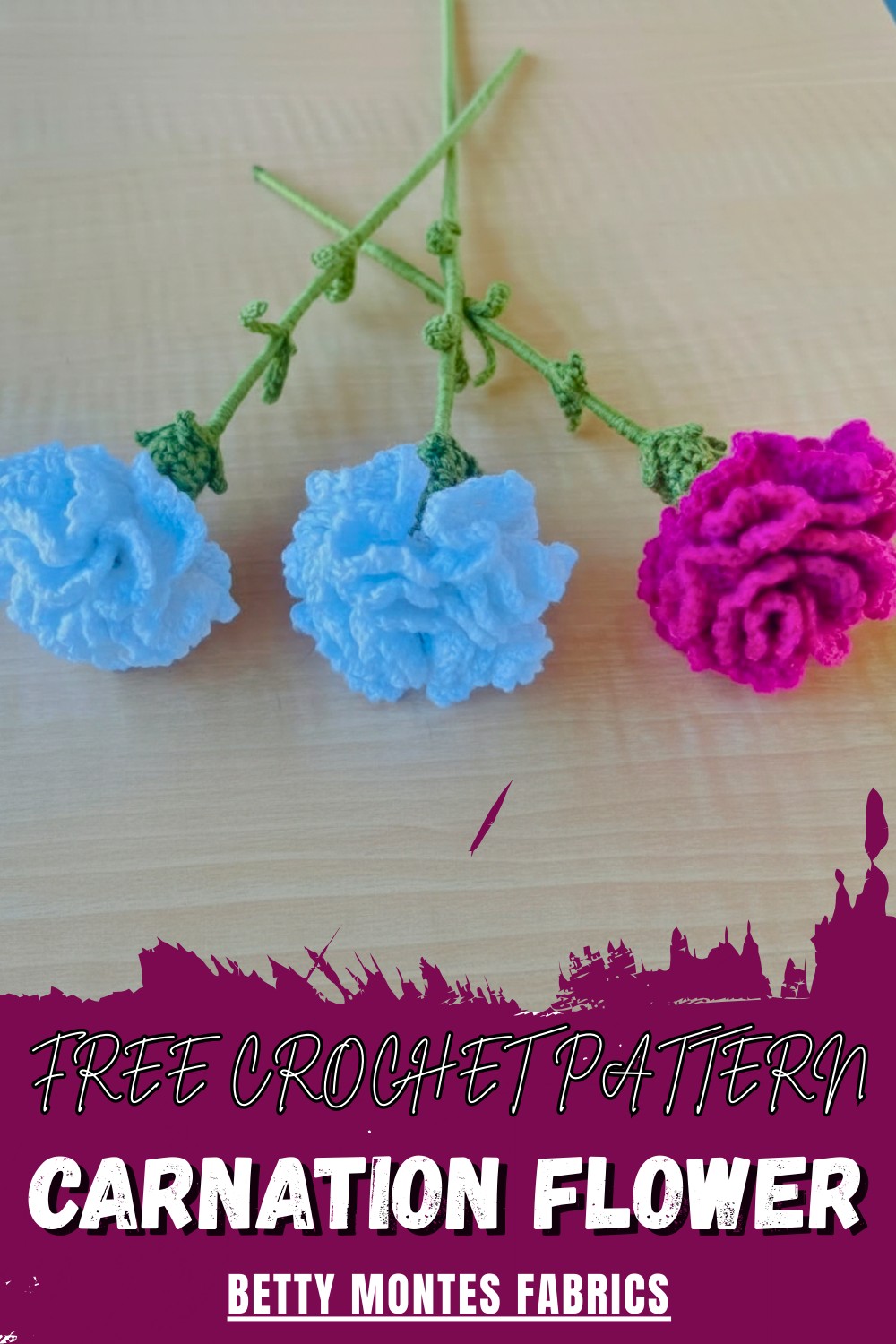
The specialty of this project lies in its accessibility and professional finish; the process is surprisingly easy for a beginner and offers a clever way to use up a small scrap of yarn. Using fine organic cotton or thin acrylic yarn provides a sophisticated appearance that looks remarkably realistic when paired with a wired stem and a stitched leaf.
Materials
-
Yarn: Very thin #2 weight organic cotton (white/pink for petals, green for the base and stem). Acrilan or mercerized cotton also works well.
-
Hook: 2.25 mm crochet hook.
-
Stem: A recycled wire clothes hanger (16 gauge) cut to ~31 cm.
-
Tools: Hot glue gun, adhesive tape (to prep the wire), scissors, and a tapestry needle.
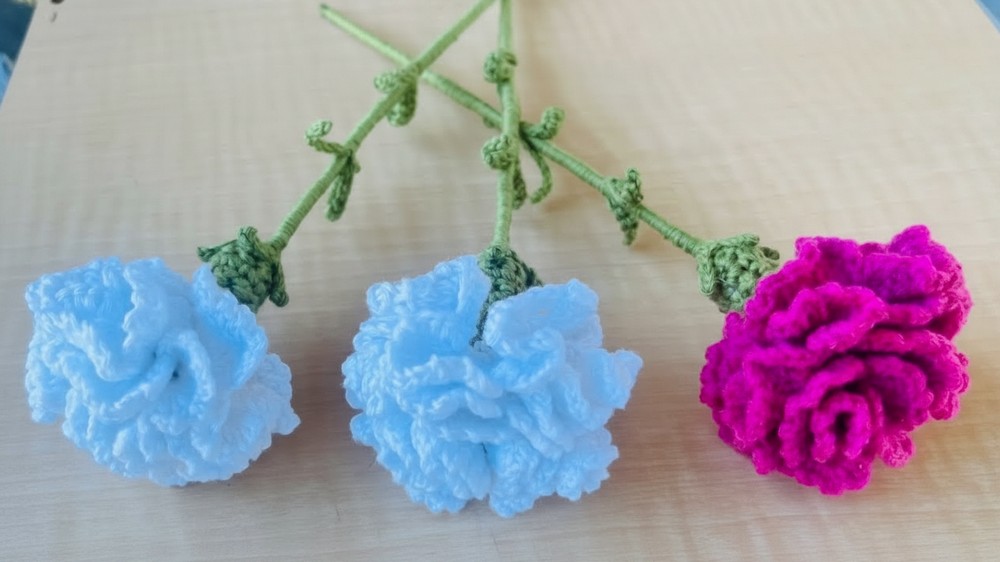
Whether you choose a classic pink, white, or bold yellow, this floral wonder adds a touch of handmade warmth and elegance to any setting, making it a perfect choice for anyone looking to add a personal touch to their surroundings. Its realistic texture captures the ruffled essence of a natural bloom, ensuring your work remains a timeless piece of art that requires no maintenance like watering or sunlight.
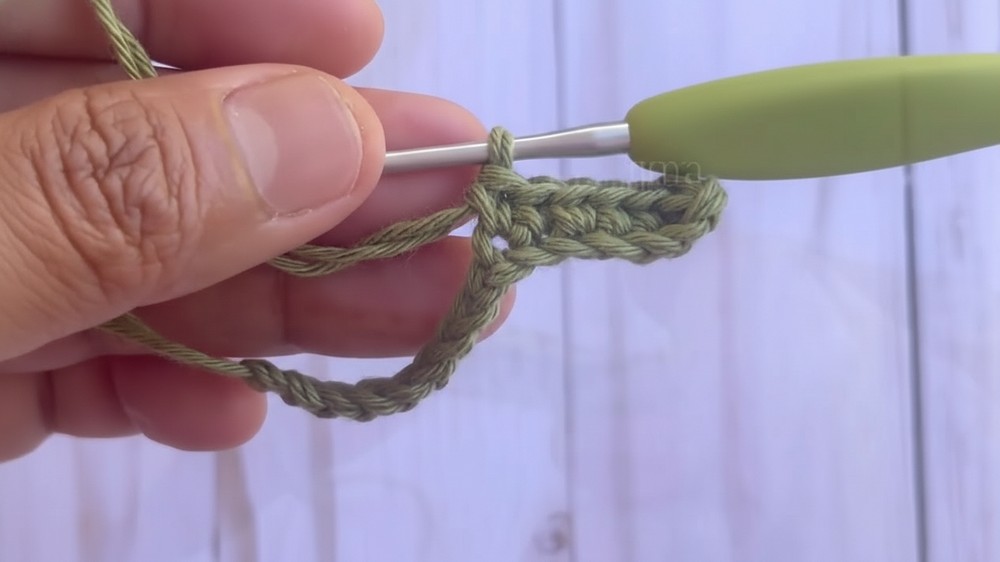
To make this beautiful flower, start by stitching the base or calyx using 16 chains and working five rows of single crochet to build a solid foundation.
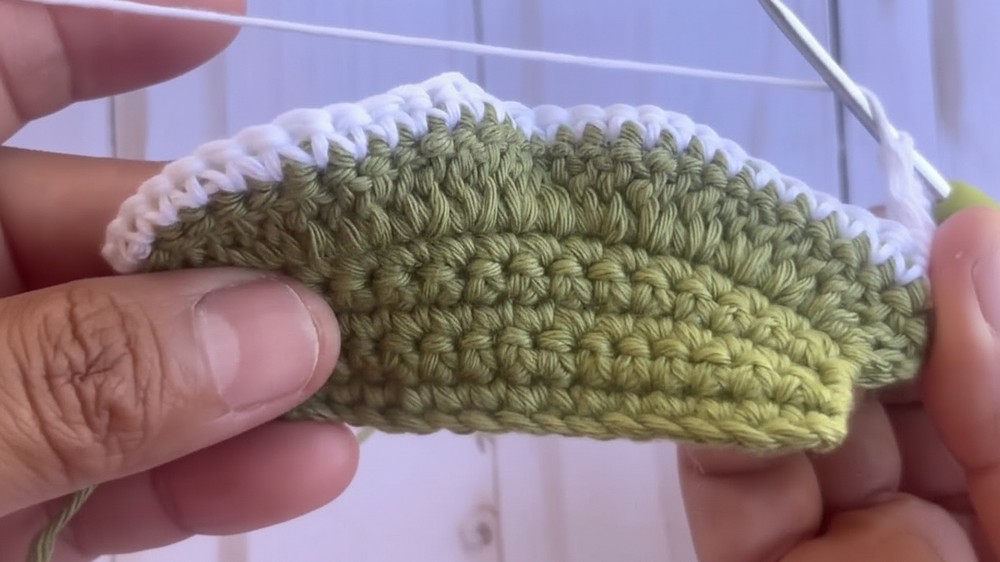
For the petals, work multiple double crochet increases into each stitch to produce a lush, voluminous effect that mimics nature.
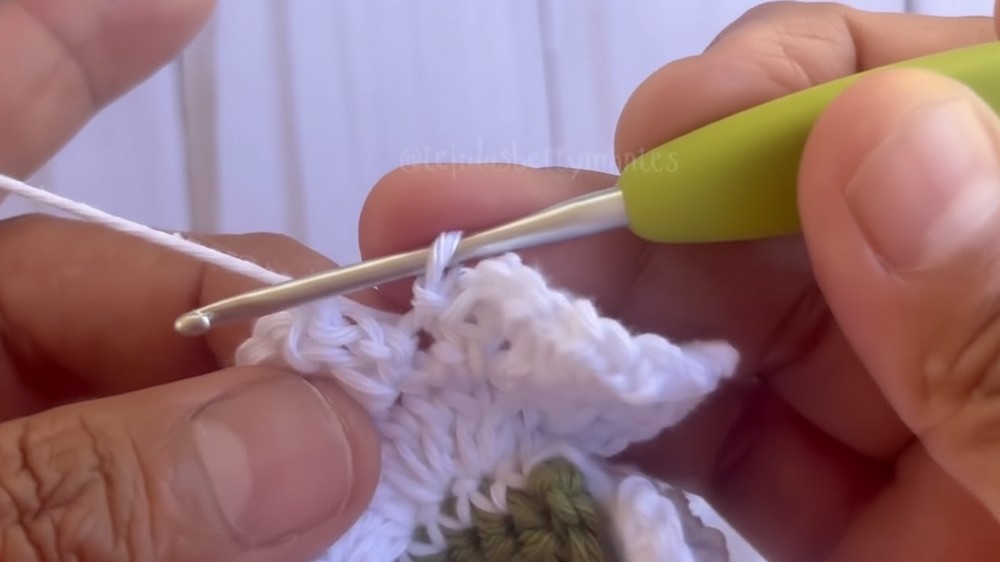
The signature ruffled edge is achieved by alternating chain loops and slip stitches, forming small "peaks" that give each petal its distinct look.
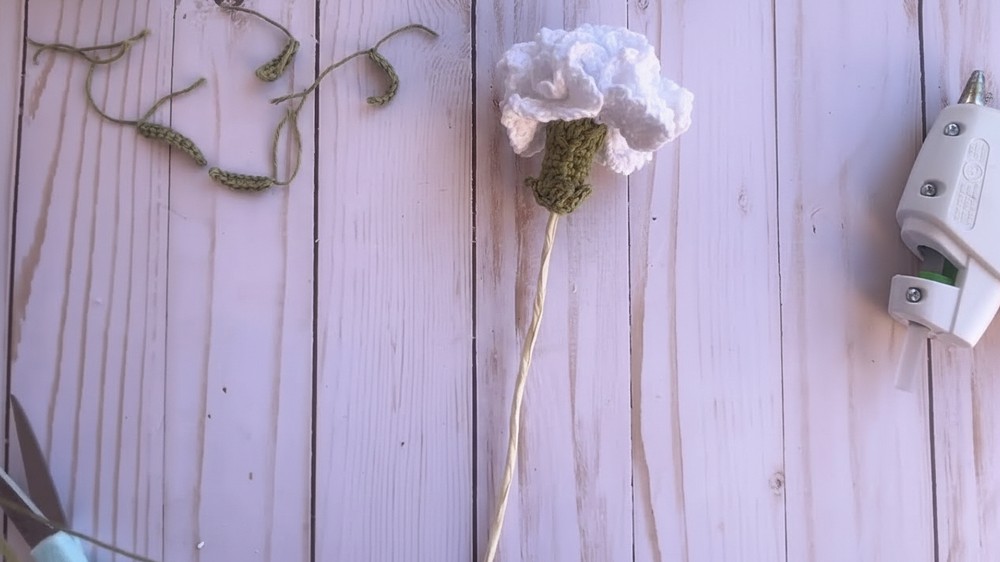

Once the yarn work is finished, the strip is carefully rolled around a wire stem and secured with hot glue, allowing the flower to "bloom" as it is shaped by hand.
FREE Crochet Carnation Flower Pattern
Special Features & Key Information
-
Special Features: The jagged picot border is the standout feature; it perfectly mimics the serrated edges of natural carnation petals. The rolled construction allows for a much denser flower than traditional flat-crocheted patterns.
-
Level of Difficulty: Easy to Intermediate. While the stitches are basic, the assembly requires patience and careful glue application.
-
Uses: Mother's Day bouquets, wedding decor, boutonnieres, or home arrangements.
-
Tutor’s Suggestions:
-
Use very thin yarn to ensure the ruffles look delicate rather than bulky.
-
Use double-stranded yarn for the calyx to give it the necessary stiffness to hold the wire stem.
-
Press the center of the flower with your hands while the glue is still warm to "seat" the petals and hide the wire tip.
-
Pro-Tip
When rolling the flower onto the stem, apply a small bead of glue specifically to the top edge of the petal foundation (the white/pink part). This keeps the very center of the carnation tightly bunched and prevents the wire from peeking through when someone looks at the flower from above!
Conclusion
This Carnation (Version 2) is a masterful example of how simple geometry—increasing stitches exponentially—can replicate complex nature. By following the rolled assembly method, you create a robust, 3D bloom that looks stunning from every angle. Whether you choose classic white, vibrant pink, or sunny yellow, these crochet carnations provide a permanent touch of spring to any space.
Step-by-Step Details
The Carnation (Version 2) features a dense, ruffled petal structure and a structured green base (calyx). The tutorial also covers how to assemble the flower onto a wire stem for a professional finish.