
Simple Crochet Rose Bouquet Pattern to Brighten Any Corner
Brighten any room with a stunning crochet rose bouquet that blooms with charm, spreads joy, and brings a cheerful, playful touch to every corner.
The flowers made from yarn in this project look soft, bright, and cheerful. The Crochet Rose Bouquet pattern turns simple yarn into beautiful roses with layered petals that almost look real. Each rose is carefully shaped, and the petals curl naturally to create a full and lively look.
Gorgeous Crochet Rose Bouquet Pattern to Brighten Any Room
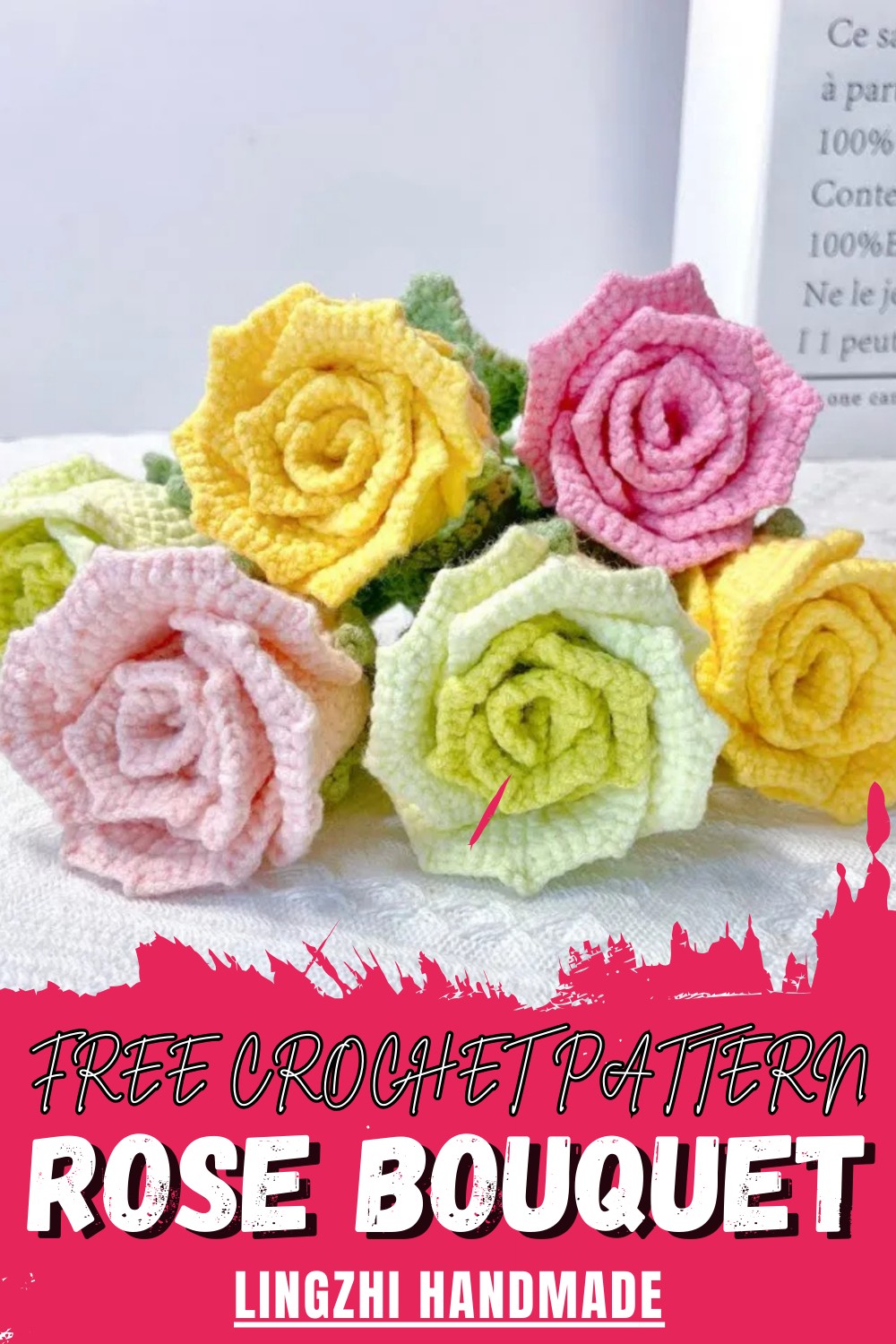
The bouquet often comes in pink, red, and white shades, making it eye-catching and perfect for display.
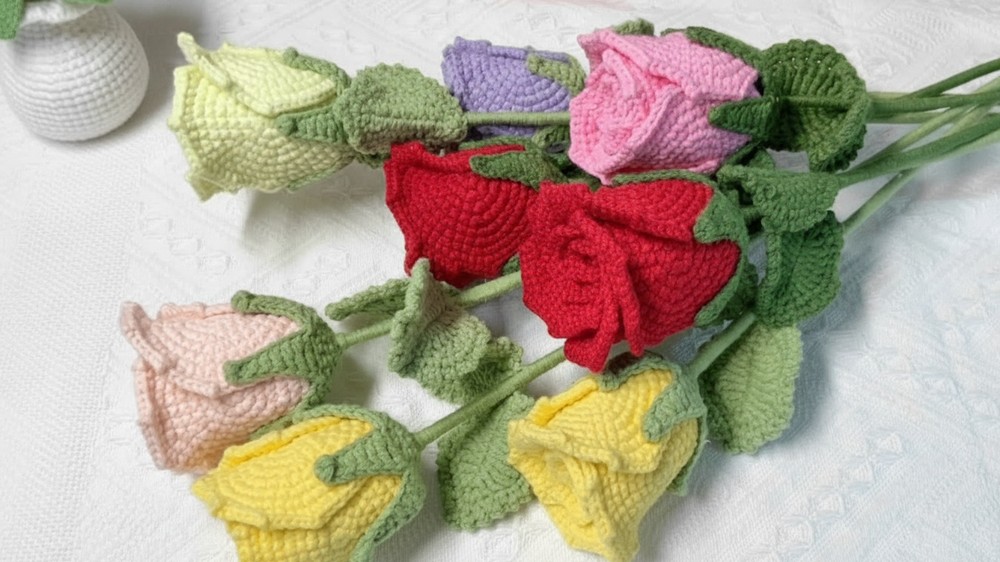
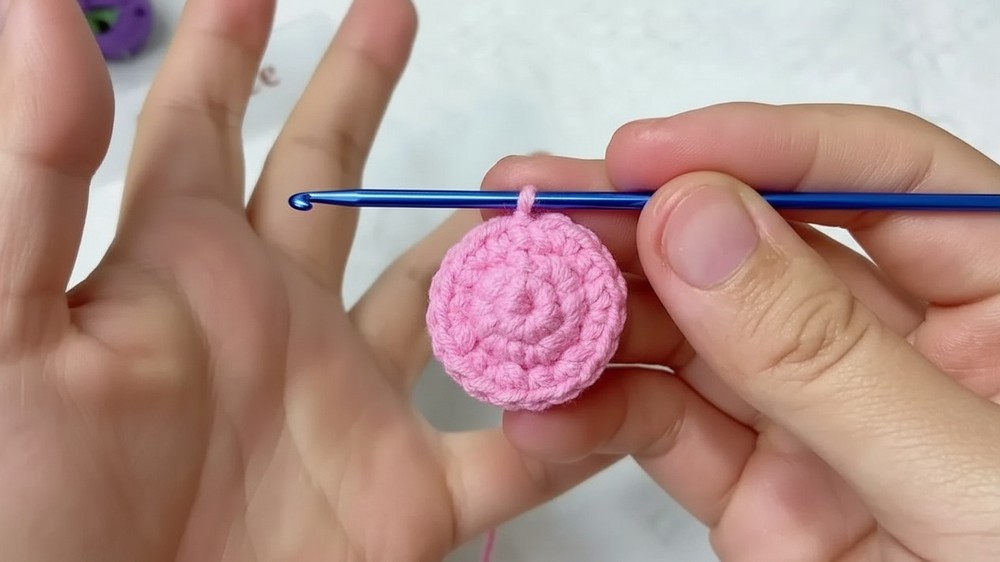
The texture feels smooth and pleasant to touch, giving a handmade charm that is warm and inviting.
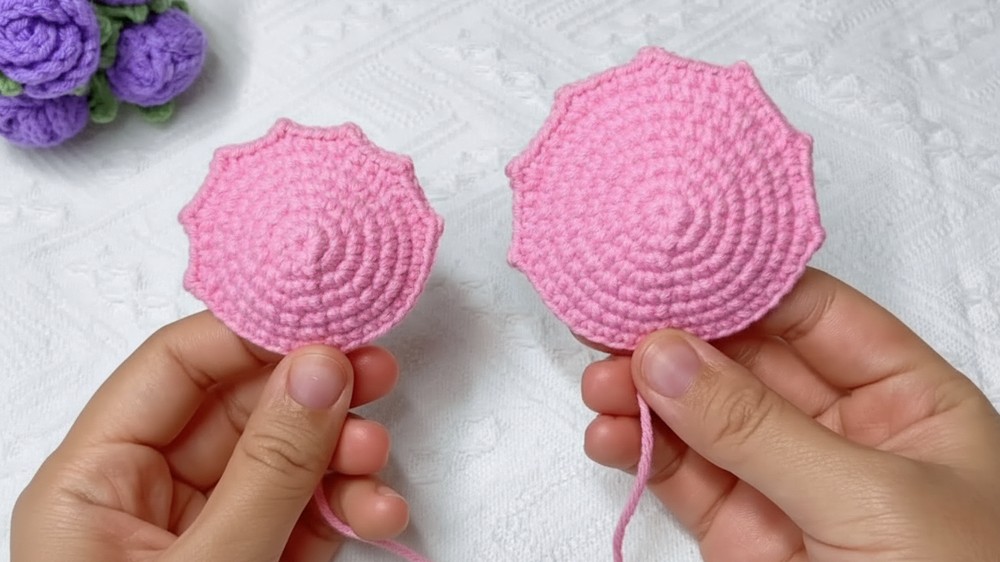
People use these bouquets to decorate tables, shelves, or desks, and they make thoughtful gifts that last forever without wilting.
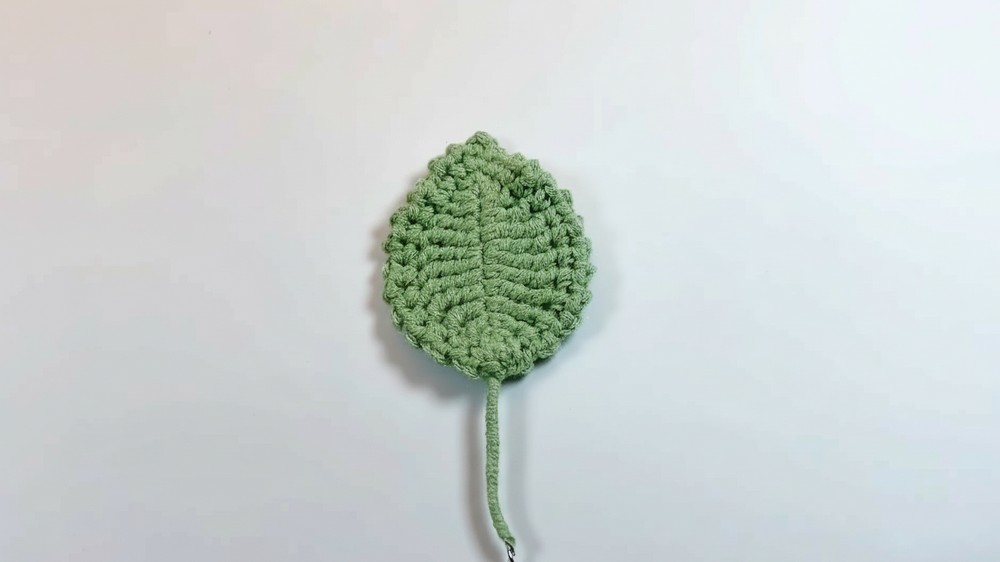
Stems and leaves can be added to make the arrangement look like a small garden of flowers.
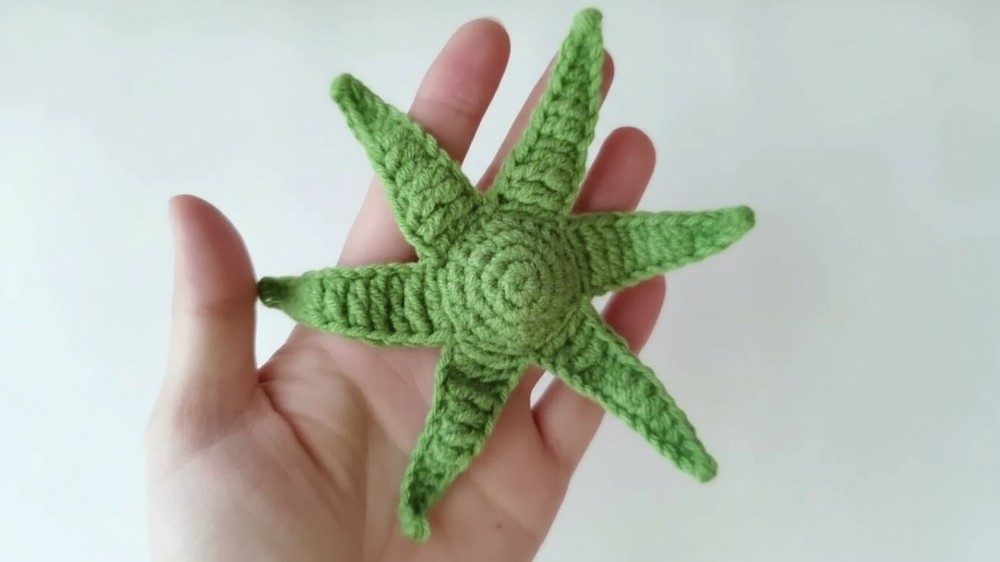
They are also excellent for practicing creativity, as the pattern lets you combine colors and sizes for a unique set of roses.
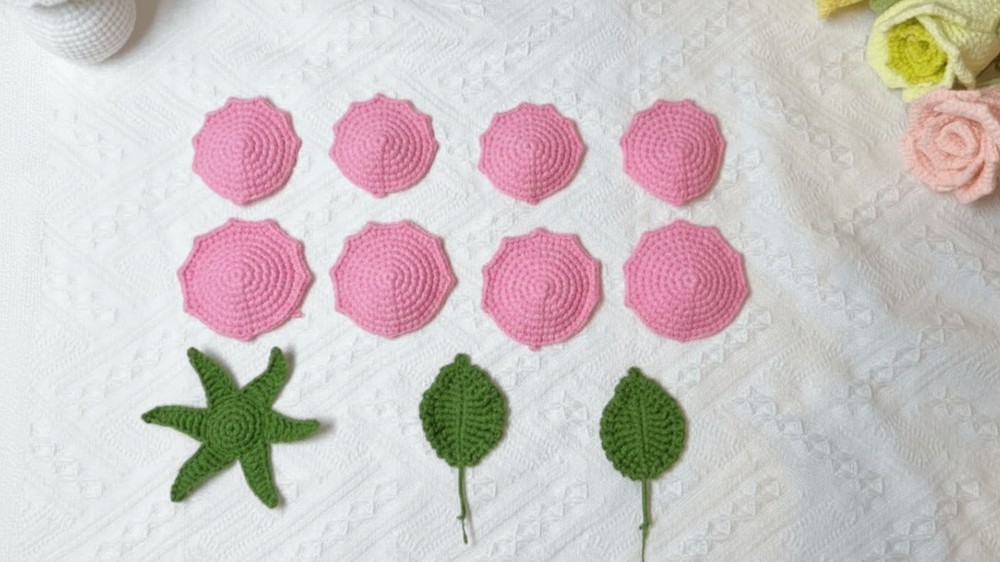

Finished bouquets can brighten up any space, from bedrooms to living rooms, and bring a cheerful, handcrafted touch to the environment. The overall appearance is elegant yet playful, making it a fun project for anyone who enjoys crocheting with yarn.
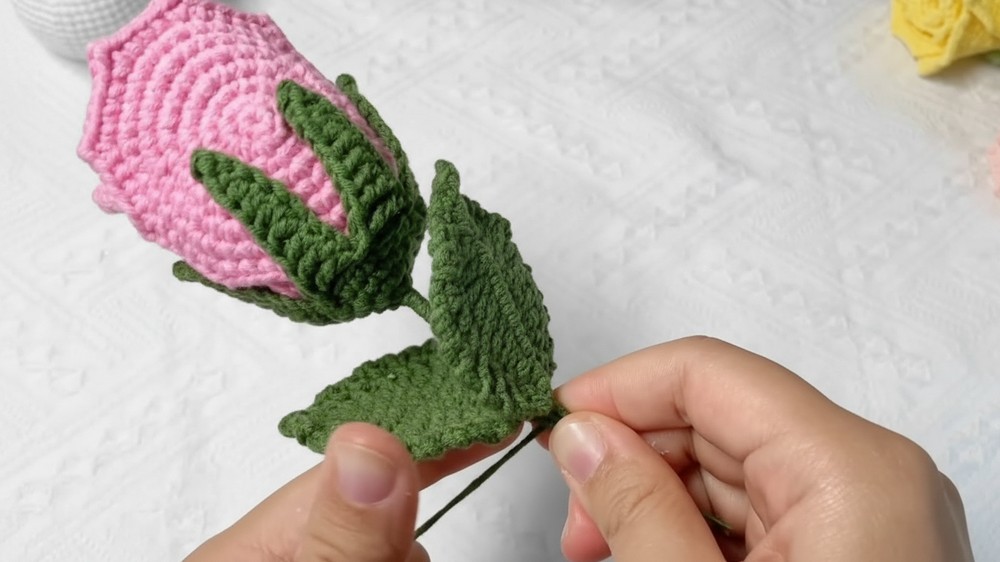
Materials
-
Yarn: Soft cotton or acrylic yarn in Pink (for petals) and Green (for the torus and leaves).
-
Hook: A suitable size for your yarn (commonly 2.5mm to 3.5mm).
-
Wire: Thin floral wire for the leaves and a thicker stem wire for assembly.
-
Tools: Glue gun (for assembly), scissors, tapestry needle, and a magic ring tool (optional).
Special Features
-
Variable Petal Sizes: The rose is constructed using two different petal sizes (small and large) to create a more natural, blooming effect.
-
Wired Leaves: The use of floral wire inside the leaves allows you to pose and bend them for a realistic look.
-
Staggered Increases: In Round 5 of the petals, the tutor demonstrates how to shift increase positions to ensure the petal remains perfectly circular rather than becoming a polygon.
-
Picot Edges: The leaves feature a decorative chain-two and picot stitch edge to mimic the serrated look of real rose leaves.
Level of Difficulty
Intermediate. While the individual stitches are basic (sc, hdc, dc, tr), the project requires managing wire, multiple components, and assembly with hot glue.
Tutor’s Suggestions
-
Stitch Count: Always verify you have the correct number of stitches at the end of each round before moving on to prevent an asymmetrical flower.
-
Tension: Keep a consistent tension, especially when working over the wire in the leaves, so the wire remains hidden.
Uses
-
Bouquets: Combine several roses in different shades for a wedding or anniversary bouquet.
-
Home Decor: Place a single long-stemmed rose in a bud vase for a lasting floral accent.
Conclusion
This traditional rose tutorial provides a structured way to build a complex-looking flower from simple circular components. The combination of varied petal sizes and wired greenery results in a high-quality finished product that mimics the elegance of a real rose.
Tip: When assembling the petals, don't glue them all at the same height. Glue the outer, larger petals slightly lower than the inner ones to give the rose a more natural, "blooming" depth.